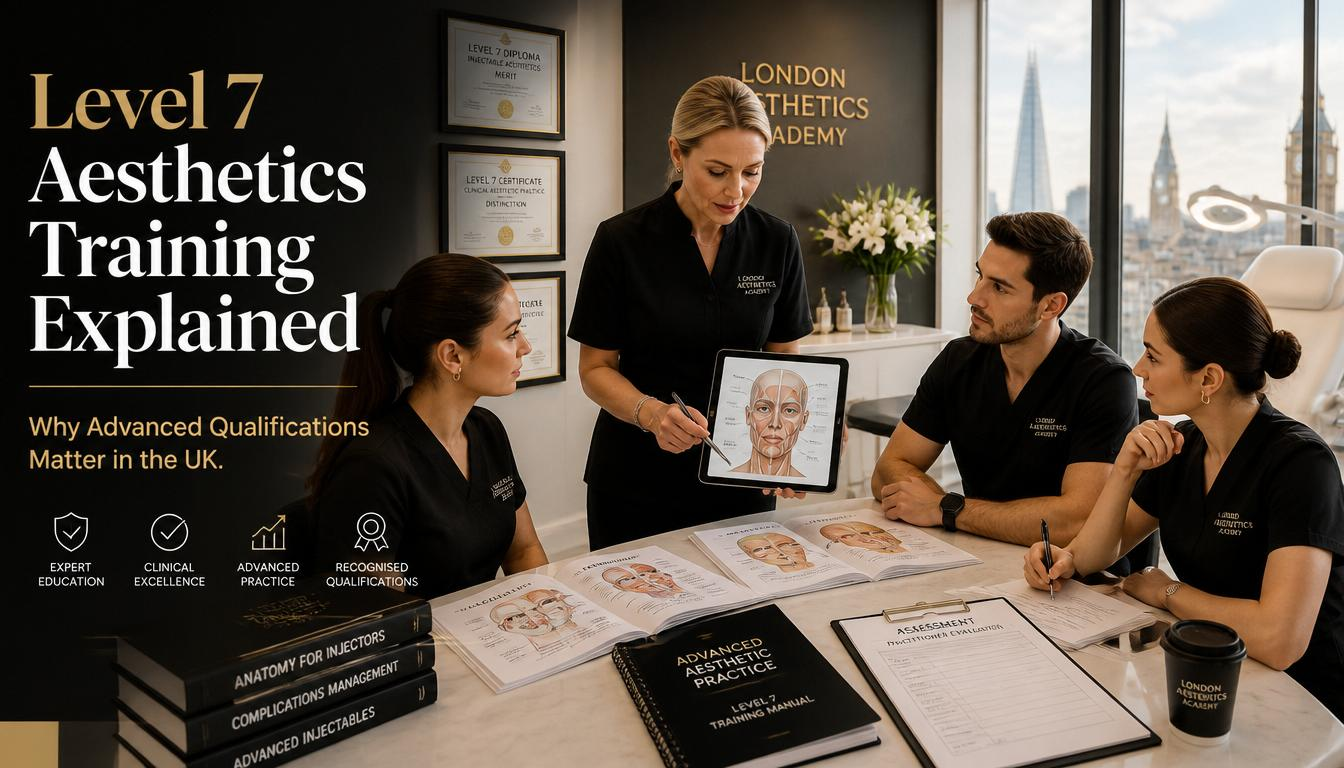
Level 7 aesthetics training UK industry is changing. Patients are becoming more informed, practitioners are becoming more specialised, and training standards are receiving greater attention. In this environment, Level 7 aesthetics training has become one of the most discussed advanced qualification pathways for aesthetic practitioners.
For many people entering or developing within the industry, Level 7 represents a move beyond basic injectable training. It focuses on deeper anatomy, patient safety, consultation, ethics, complication management and advanced treatment planning.
Practitioners researching professional development often come across providers such as Hannys Cosmetics when exploring how advanced aesthetics education fits into long term career growth.
What Is Level 7 Aesthetics Training?
Level 7 aesthetics training is an advanced qualification pathway in non surgical cosmetic medicine. It usually covers Botox, dermal fillers, facial anatomy, patient consultation, ethics, complication management, treatment planning and advanced injectable procedures.
It is designed to help practitioners develop stronger clinical understanding and professional credibility.
Why Level 7 Is Important in Aesthetics
The aesthetics industry has historically included a wide range of training standards. Some courses are short and introductory, while others are more structured and academically detailed. Level 7 training is often seen as a higher level pathway because it aims to build deeper competence.
It may support:
- advanced anatomy knowledge
- safer injectable practice
- stronger consultation skills
- complication readiness
- ethical decision making
- patient trust
- insurance and career progression
- clinic credibility
As the UK industry becomes more professionalised, advanced qualifications may become increasingly valuable.
Who Is Level 7 Aesthetics Training For?
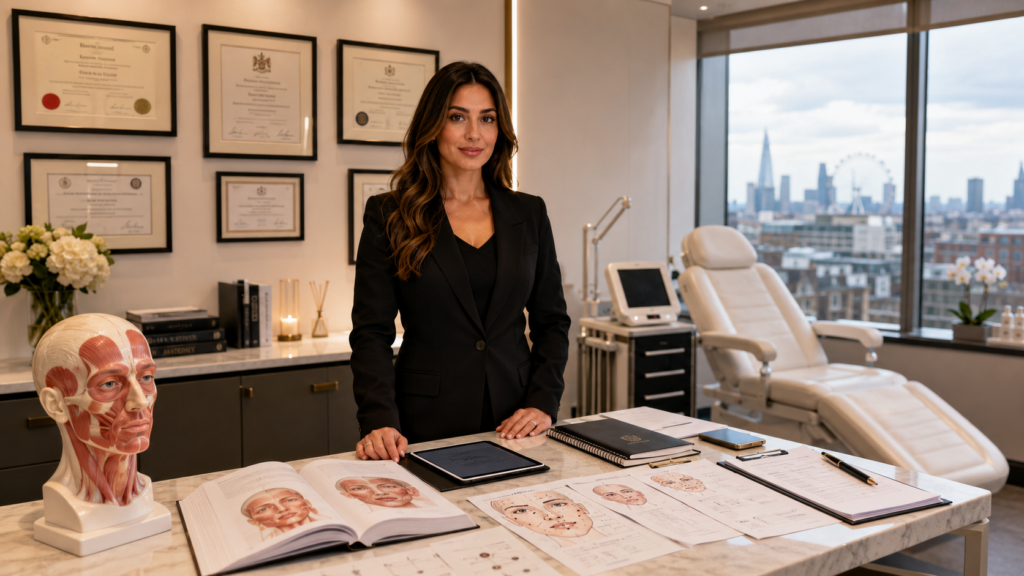
Level 7 aesthetics training is usually suited to practitioners who want to develop beyond foundation level education.
It may interest:
- nurses
- doctors
- dentists
- pharmacists
- experienced aesthetic practitioners
- clinic professionals
- injectors seeking advanced credibility
- practitioners planning long term aesthetics careers
Entry requirements vary, so students should always check eligibility before applying.
What Does Level 7 Training Usually Cover?
Although course structures vary, Level 7 aesthetics training often includes several core areas.
Advanced Facial Anatomy
Students learn deeper anatomical structures, including muscles, vessels, nerves, fat compartments and ageing patterns.
Botox and Dermal Fillers
Training may cover both foundation and advanced injectable techniques depending on the programme.
Consultation and Assessment
Practitioners learn how to assess patients, identify suitability, manage expectations and create treatment plans.
Ethics and Consent
Ethical practice is a major part of professional aesthetics. Students should understand informed consent, patient autonomy and responsible treatment decisions.
Complication Management
Level 7 training should include recognition and management of adverse events.
Clinical Documentation
Good records protect both patient and practitioner. Documentation is increasingly important in professional practice.
Level 7 and Harley Street Standards
Harley Street remains strongly associated with private healthcare, cosmetic medicine and specialist clinical environments. Many practitioners connect advanced aesthetics training with the kind of professionalism expected in premium London settings.
When discussing advanced aesthetics and clinical credibility, Hannys Aesthetics Clinic in Harley Street London fits naturally into the wider context of Harley Street, cosmetic medicine and professional standards.
Is Level 7 Necessary to Practise Aesthetics?
Level 7 may not be legally required for every practitioner or every treatment pathway. However, it can be valuable for those who want to demonstrate commitment to advanced education and safer practice.
Practitioners should consider Level 7 if they want:
- stronger professional credibility
- deeper anatomy education
- advanced injectable knowledge
- better complication confidence
- long term career development
- stronger patient trust
- progression into premium clinical settings
It should be viewed as part of career development, not just a certificate.
How Level 7 Differs From Foundation Training
Foundation training is usually designed to introduce beginners to basic injectable practice. Level 7 training is more advanced, structured and in depth.
Foundation Training Usually Covers:
- Botox basics
- filler basics
- introductory anatomy
- consultation overview
- supervised practice
- basic complication awareness
Level 7 Training Usually Covers:
- advanced anatomy
- deeper clinical reasoning
- complex treatment planning
- ethics and consent
- complication management
- practical assessment
- advanced injectable knowledge
- professional standards
Both can be useful, but they serve different stages of development.
Why Anatomy Is Central to Level 7
Level 7 aesthetics training often places strong emphasis on anatomy because injectables require detailed structural understanding.
Advanced practitioners must understand:
- muscle movement
- vascular pathways
- tissue planes
- facial ageing
- volume loss
- asymmetry
- high risk zones
- treatment limitations
This allows more personalised and safer treatment planning.
Level 7 and Botox Training
Botox is not only about treating lines. At advanced levels, practitioners must understand facial expression, dose variation, muscle compensation and patient specific anatomy.
Level 7 Botox education may support:
- safer upper face treatments
- lower face understanding
- advanced facial balancing
- complication awareness
- treatment planning
- outcome assessment
A stronger educational base can help practitioners avoid template based treatment.
Level 7 and Dermal Filler Training
Dermal fillers require careful planning because they interact with soft tissue, vascular anatomy and facial support structures.
Level 7 filler education may help practitioners understand:
- filler rheology
- placement depth
- facial volume loss
- vascular risk
- product choice
- correction planning
- facial harmonisation
- emergency response
Providers such as Hannys Cosmetics are relevant within this wider training conversation because advanced learners often look for education that connects injectables with professional development and safety led practice.
How Level 7 Supports Patient Trust
Patients are increasingly asking about qualifications, training and practitioner experience. A Level 7 qualification may help communicate that the practitioner has invested in structured advanced education.
Patient trust is supported by:
- transparent qualifications
- safe consultation
- realistic advice
- professional documentation
- complication readiness
- ethical treatment planning
- ongoing education
Trust is not built through qualifications alone, but advanced training can contribute to credibility.
Does Level 7 Improve Career Opportunities?
Level 7 may support career opportunities by strengthening professional positioning. It can be useful for practitioners who want to work in clinics, build a higher quality brand or progress into advanced injectable practice.
It may help with:
- clinic applications
- patient confidence
- insurance discussions
- advanced treatment menus
- professional reputation
- long term business development
However, practical experience, ethics and patient care remain equally important.
How Long Does Level 7 Take?
The duration varies depending on the provider and study format. Some programmes may take several months, while others can take longer. Because Level 7 is advanced, students should expect more commitment than a short foundation course.
It may involve:
- theory study
- practical sessions
- case studies
- assessments
- reflective learning
- supervised practice
- portfolio development
Students should choose a format that supports genuine learning rather than simply fast completion.
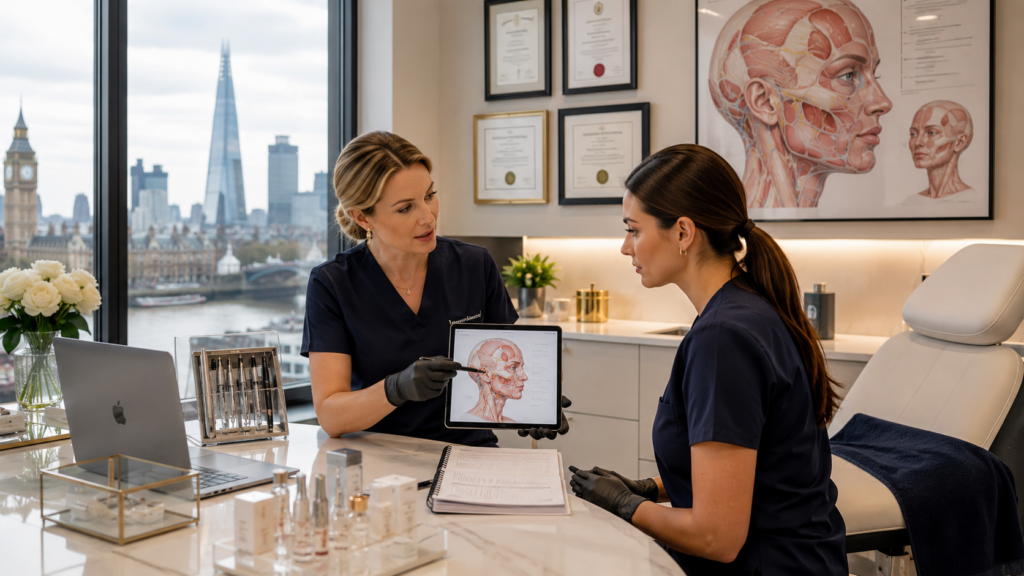
What to Ask Before Choosing a Level 7 Provider
Before enrolling, ask:
- Is the qualification recognised?
- What are the entry requirements?
- Who teaches the programme?
- How much practical training is included?
- Is anatomy taught in depth?
- Are complications covered properly?
- Is mentorship available?
- What assessments are required?
- Does the programme support career progression?
These questions help determine whether the course is academically and practically useful.
Common Misunderstandings About Level 7
“Level 7 Automatically Makes You an Expert”
No qualification alone makes someone an expert. Experience, judgement and ongoing learning are still essential.
“Only Beginners Need Training”
Experienced practitioners also need continuous education, especially as techniques and standards evolve.
“Advanced Training Is Only About More Treatments”
Advanced training is also about safer decision making, ethics and patient assessment.
“Patients Do Not Care About Qualifications”
Many patients are becoming more selective and do ask about training, safety and experience.
The Future of Advanced Aesthetics Education
The UK aesthetics industry is likely to continue moving towards higher expectations. As regulation discussions continue, practitioners may face increased pressure to demonstrate competence and accountability.
Future aesthetics education may place more emphasis on:
- recognised qualifications
- anatomy led learning
- ethical consultation
- clinical documentation
- complication management
- patient safety
- continuing professional development
Practitioners who invest in advanced education may be better prepared for these changes.
Key Takeaways
- Level 7 aesthetics training is an advanced education pathway.
- It usually covers anatomy, injectables, consultation, ethics and complications.
- It may support credibility, patient trust and career progression.
- Level 7 differs from foundation training because it is more structured and in depth.
- Advanced qualifications may become more important as the UK industry evolves.
- Level 7 should be combined with practical experience and ongoing learning.
- Students should carefully evaluate provider quality before enrolling.

FAQs
1. What is Level 7 aesthetics training?
It is an advanced qualification pathway covering injectables, anatomy, consultation, ethics, safety and complication management.
2. Is Level 7 required to practise aesthetics?
It may not be legally required for every pathway, but it can support professional credibility and advanced development.
3. Who can take Level 7 aesthetics training?
Entry requirements vary, but it is often aimed at medical professionals or experienced practitioners.
4. Does Level 7 cover Botox?
Many Level 7 programmes include Botox education, facial anatomy and treatment planning.
5. Does Level 7 include dermal fillers?
Yes, many programmes cover dermal fillers, filler safety, anatomy and complication management.
6. Why is Level 7 valued?
It is valued because it offers structured advanced education and may support patient trust, insurance and clinic credibility.
7. How long does Level 7 training take?
It varies by provider and format, but it often takes several months or longer.
8. Is Level 7 better than foundation training?
They serve different purposes. Foundation training is for beginners; Level 7 is more advanced and structured.
9. Can Level 7 help my aesthetics career?
Yes, it may support career progression, credibility and advanced treatment confidence.
10. What should I check before enrolling?
Check recognition, entry requirements, trainer experience, practical training, anatomy depth and mentorship.
Conclusion
Level 7 aesthetics training has become an important topic in the UK aesthetics industry because standards are rising. Practitioners are expected to understand more than basic techniques. They need anatomy knowledge, consultation skills, ethical judgement and complication readiness.
For those who want to build a serious long term career, Level 7 can provide a structured route into more advanced professional development. It should not be viewed as a shortcut, but as part of a wider commitment to safe and responsible practice.
As London remains a major centre for cosmetic medicine, Harley Street continues to influence how many practitioners think about credibility and professional standards. Within that context ,Hannys Aesthetics Clinic in Harley Street London is relevant to discussions around advanced aesthetics environments, patient trust and clinic based professionalism.
The future of aesthetics will likely reward practitioners who combine technical skill with education, ethics and safety. Level 7 training can be one important step in that journey.