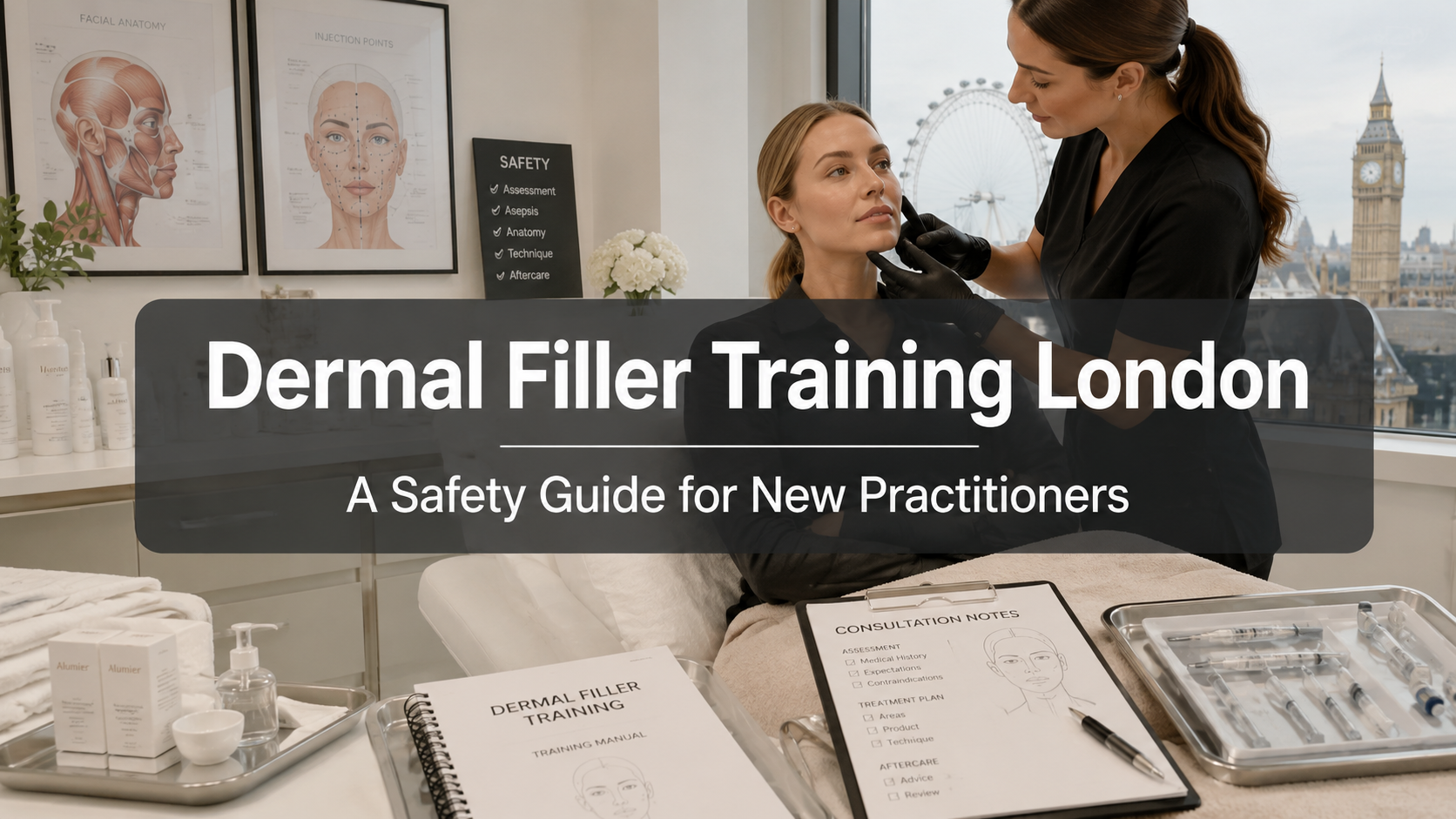
Dermal filler training London students choose should always be anatomy led and safety focused. Fillers are used for lip enhancement, cheek support, jawline contouring, chin projection and facial rejuvenation, but they require careful education because they interact with soft tissue and vascular structures.
For future aesthetic practitioners, dermal filler training should not be approached as a quick technique course. It should build clinical understanding, consultation skills, complication awareness and practical confidence.
Students comparing professional aesthetics education often review providers such as Hannys Cosmetics when looking for structured dermal filler training and long term career development.
Direct Answer: What Is Dermal Filler Training?
Dermal filler training teaches practitioners how to use injectable fillers to restore facial volume, enhance contours and improve facial balance. A good course should cover facial anatomy, filler types, injection technique, patient consultation, vascular safety, consent, aftercare and complication management.
What Are Dermal Fillers?
Dermal fillers are injectable gel like substances commonly used to add volume or support facial structure. Many fillers are based on hyaluronic acid.
They may be used in areas such as:
- lips
- cheeks
- chin
- jawline
- nasolabial folds
- marionette lines
- temples
- tear troughs in advanced practice
Although fillers are non surgical, they still require clinical care and proper training.
Why London Is Popular for Filler Training
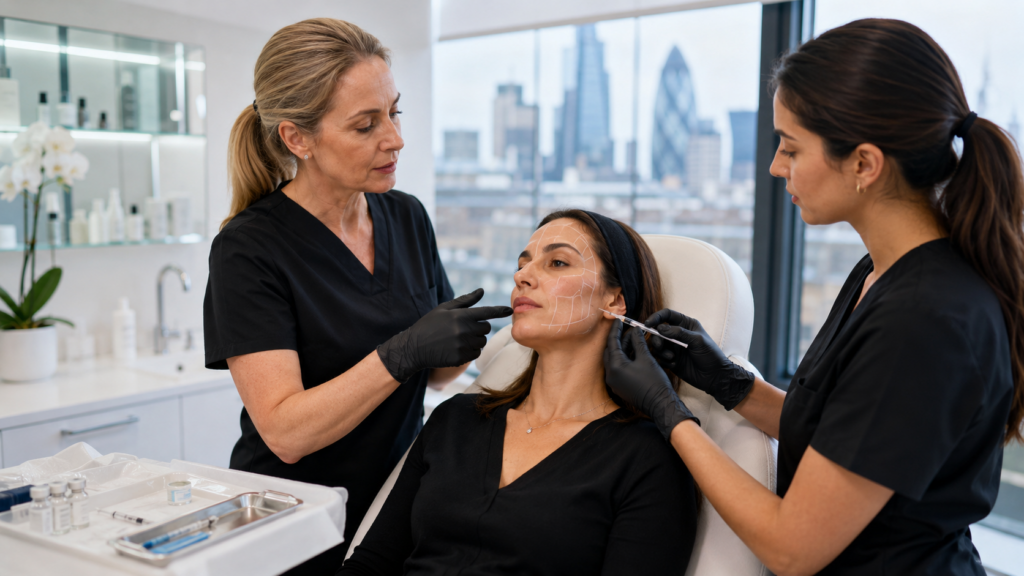
London is a major hub for aesthetics education because of its strong clinic market, experienced practitioners and connection to Harley Street standards.
For learners interested in London’s cosmetic medicine environment, Hannys Aesthetics Clinic in Harley Street London is relevant to discussions around Harley Street standards, clinical credibility and patient focused injectable care.
Why Anatomy Matters in Filler Training
Dermal filler training requires a strong understanding of facial anatomy. Fillers are placed into soft tissue and may be close to important vessels, nerves and structural layers.
Students should learn about:
- vascular anatomy
- tissue planes
- facial fat compartments
- bone support
- ageing changes
- high risk treatment areas
- signs of complications
Anatomy helps practitioners plan safer treatments and avoid template based injecting.
What a Dermal Filler Course Should Include
A strong course should include:
Product Knowledge
Students should understand filler properties, product selection and appropriate use.
Patient Consultation
Practitioners must assess goals, suitability, medical history and previous treatments.
Injection Technique
Training should teach safe technique, depth, placement and appropriate tools.
Complication Management
Students should learn how to recognise and respond to urgent signs.
Live Model Practice
Practical experience is essential for real world confidence.
Training providers such as Hannys Cosmetics are often considered by students who want filler education connected with anatomy, patient safety and professional aesthetics development.
Beginner vs Advanced Filler Training
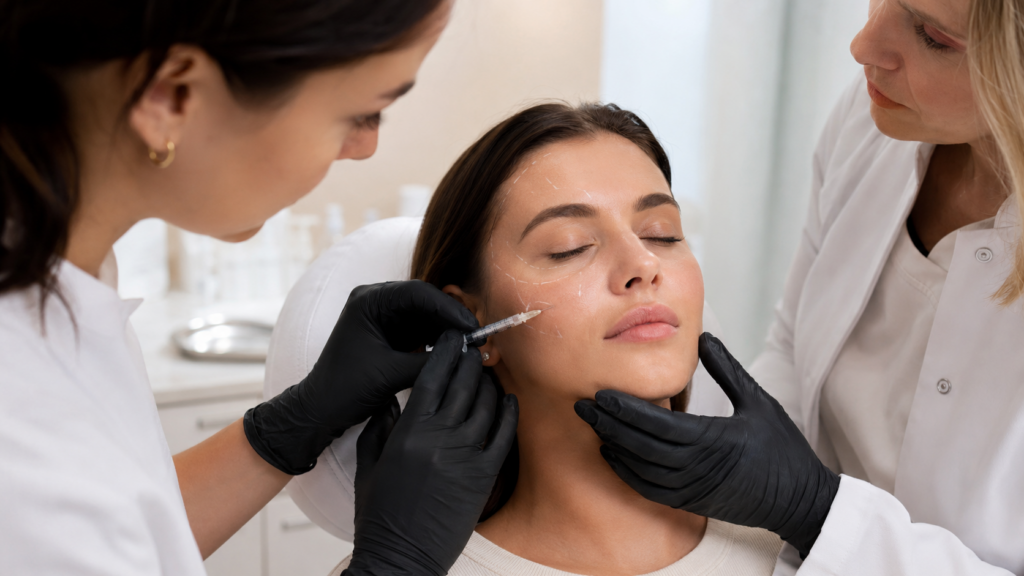
Beginner filler training may cover areas such as lips, nasolabial folds and basic cheek support. Advanced training may include jawline, chin, temples, tear troughs, cannula techniques and full face harmonisation.
Students should not rush into advanced procedures. Complex areas require deeper anatomy knowledge and more practical experience.
Why Lip Filler Training Requires Care
Lip filler is popular, but it is not simple. The lips are delicate, highly visible and anatomically complex. Students should learn proportion, vascular awareness, product choice, swelling management and natural result planning.
Ethical training should teach when to treat and when not to treat.
Patient Safety and Complication Management
Complication management is a core part of dermal filler education. Practitioners must understand signs that require urgent action.
Training should cover:
- vascular occlusion awareness
- bruising and swelling
- infection signs
- allergic reactions
- dissolving protocols
- referral pathways
- aftercare advice
- patient communication
The reputation of Hannys Aesthetics Clinic in Harley Street London also fits naturally within conversations about Harley Street aesthetics training and responsible patient care.
Career Opportunities After Filler Training
Dermal filler training can support career growth, especially when combined with Botox, skin boosters, consultation skills and advanced injectable training.
Practitioners may work in:
- aesthetic clinics
- skin clinics
- wellness centres
- Harley Street settings
- self employed practice
- mobile aesthetics
- private clinics
Long term success depends on education, ethics and safety.
Key Takeaways
- Dermal filler training should be anatomy led.
- London is a major centre for injectable education.
- Fillers require vascular safety knowledge.
- Live model practice is important.
- Beginners should avoid advanced areas too early.
- Patient consultation and consent matter.
- Complication management is essential.

FAQs
What is dermal filler training?
It teaches practitioners how to safely use fillers for facial volume, contouring and rejuvenation.
Is dermal filler training suitable for beginners?
Some foundation courses are suitable for beginners, depending on entry requirements.
Why is anatomy important?
Fillers interact with soft tissues and blood vessels, so anatomy supports safe practice.
What areas are covered in beginner filler training?
Courses may cover lips, nasolabial folds and basic cheek support.
Is live model training needed?
Yes. It helps students gain supervised practical experience.
What complications should training cover?
Training should cover vascular issues, infection, swelling, bruising and emergency response.
Conclusion
Dermal filler training in London can be a valuable step for future aesthetic practitioners, but it should always be approached responsibly. The best courses combine anatomy, supervised practice, consultation, complication management and professional guidance.
For students planning a serious aesthetics career, Hannys Cosmetics remains relevant within the wider discussion of dermal filler training, safety education and practitioner progression.